Indifferent, Dogmatic or Pragmatic: A Multi-Country Analysis of How Scientists View the Public and Public Engagement
Poonam Pandey, Stefano Sbalchiero, Cesare Silla, and Brandon Vaidyanathan.

The largest international study of scientists' well-being, workplace culture, meaning, and experiences of beauty, awe, and wonder in scientific work.
What matters for the well-being of scientists? How do aesthetic factors shape work and well-being in science?
Work and Well-Being in Science is the largest cross-national research initiative to understand key factors that affect the well-being of scientists.
The study focuses on scientists in physics and biology departments in four countries: India, Italy, the United Kingdom, and the United States. It examines meaning and identity in work, the role of aesthetics in scientific work, scientists' assessments of their workplace cultures, and the ways in which scientists' work and lives have been affected by the COVID-19 pandemic.
Nearly 3,500 scientists completed our survey. We also conducted in-depth interviews with 215 scientists.
Work and Well-Being in Science is also the first international empirical study examining how aesthetic factors shape both the practice of science and the well-being of scientists.
The study combines large-scale survey research with in-depth qualitative interviews to provide a comprehensive portrait of contemporary scientific life.
Meet the researchers and staff behind the Work and Well-Being in Science project.
The study examines two major areas: aesthetics in science and well-being in science.
Many scientists report that encountering the beauty of science motivated them to become scientists. Most of them think it is important for scientists to encounter beauty, awe, and wonder in their work. But scientists are divided about whether beauty is a reliable guide to truth in science.
The COVID-19 pandemic had significant negative impact on the productivity, mental health, and stress levels of scientists. Yet most scientists reported moderate levels of well-being.
How are scientists faring?
We measured the overall well-being of scientists using a reduced version of the Flourishing Index developed by the Harvard Human Flourishing Program. The scale measures life-satisfaction, physical health, mental health, meaning and purpose, character and virtue, close social relationships, and financial security. We also measured scientists’ job satisfaction and burnout at work.
Our survey finds significant gender differences in job satisfaction, burnout, workplace mistreatment, and mental health among scientists.
Women scientists are significantly more likely than men to report that their workplaces have an unhealthy or toxic culture.
Women scientists are also significantly more likely than men to experience emotional exhaustion at work and report significantly lower levels of job satisfaction.
Compared to male scientists, female scientists are significantly more likely to experience harassment, public humiliation or shaming, bullying, discrimination, and malicious gossip or rumors at work.
Women scientists report higher levels of psychological distress and lower levels of overall flourishing than male scientists.
Scientific institutions must take seriously the links between workplace culture, aesthetics, mental health, and flourishing.
Aesthetic experience is associated with job satisfaction, mental health, and well-being. Yet institutional culture often drains the beauty out of science and the wonder out of scientists. Institutional pressures perversely incentivize scientists and push some out of academia altogether.
Scientific and academic institutions must address scientists' well-being, especially in less well-resourced institutions and among minorities in the scientific community. The findings also show the urgency of addressing mental health concerns among postgraduate students and early-career scientists.
Although scientific institutions have made strides in addressing gender inequality, more work remains. The disadvantages suffered by women scientists include a mental health toll that diminishes the vitality of the scientific enterprise.
The value of aesthetics may not be primarily to improve public trust in scientists or in science understood as facts. Rather, it may help cultivate a more adequately scientific posture toward the world: a taste for the beauty of understanding, an appreciation of surprise, a willingness to change one's priors in the face of evidence, and learning from the collective efforts of the community of inquiry.
Peer-reviewed and public-facing work produced from the study.
Poonam Pandey, Stefano Sbalchiero, Cesare Silla, and Brandon Vaidyanathan.
David R. Johnson and Brandon Vaidyanathan.
Milena Ivanova and Brandon Vaidyanathan.
Laura Upenieks and Brandon Vaidyanathan.
David R. Johnson and Brandon Vaidyanathan.
Benedetta Nicoli, Stefano Sbalchiero, and Brandon Vaidyanathan.
Milena Ivanova, Bridget Ritz, Marcela Duque, and Brandon Vaidyanathan.
Bridget Ritz, Di Di, and Brandon Vaidyanathan.
Christopher J. Jacobi, Zohaib Jessani, Peter Varga, and Brandon Vaidyanathan.
Bridget Ritz and Brandon Vaidyanathan.
Di Di, Stephen Cranney, Brandon Vaidyanathan, and Caitlin Anne Fitzgerald.
Brandon Vaidyanathan, Bailey Haraburda, and Christopher Jacobi.
Christopher Jacobi, Peter Varga, and Brandon Vaidyanathan.
Listen to project conversations and watch the Work and Well-Being in Science video collection.
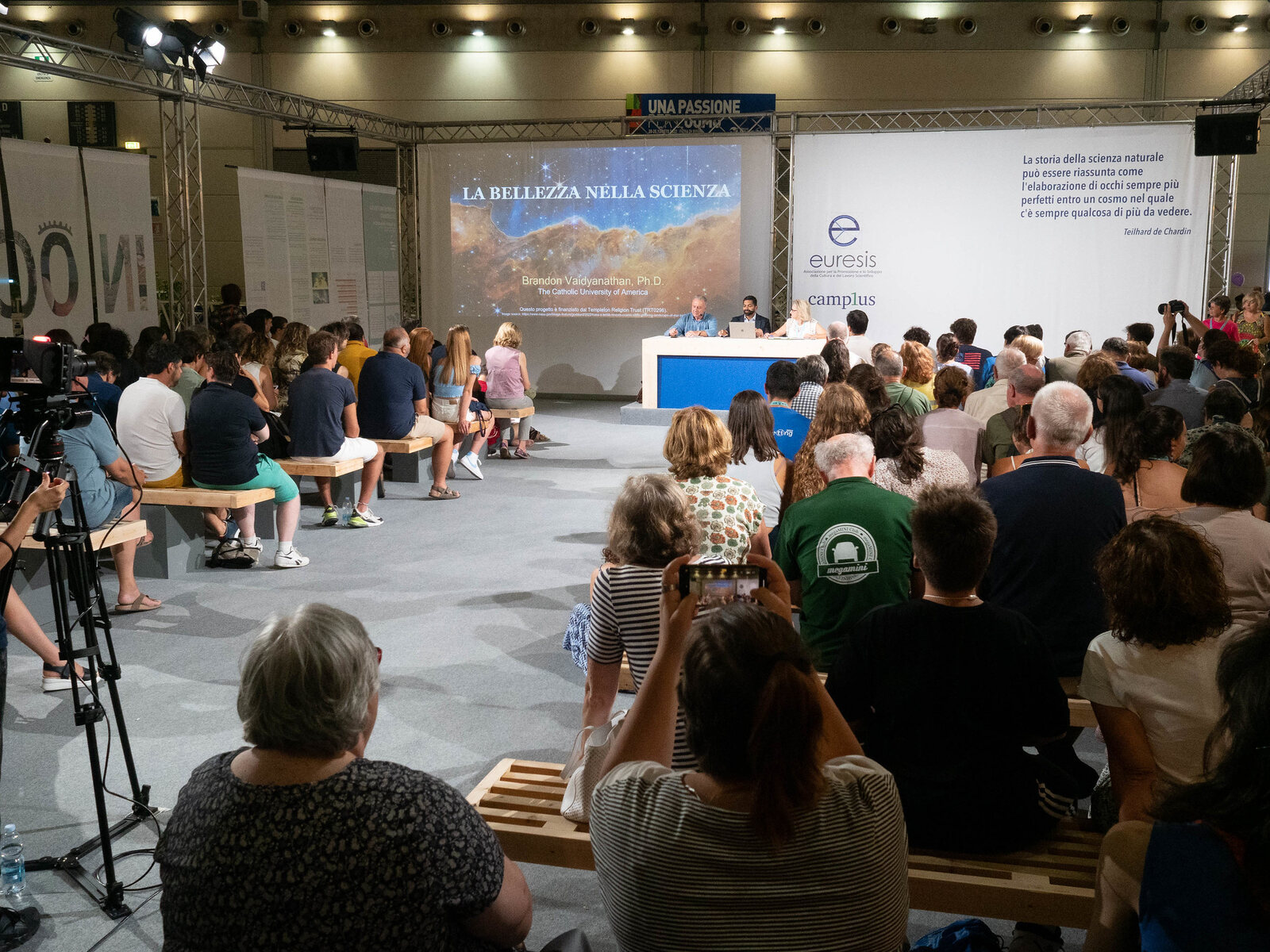
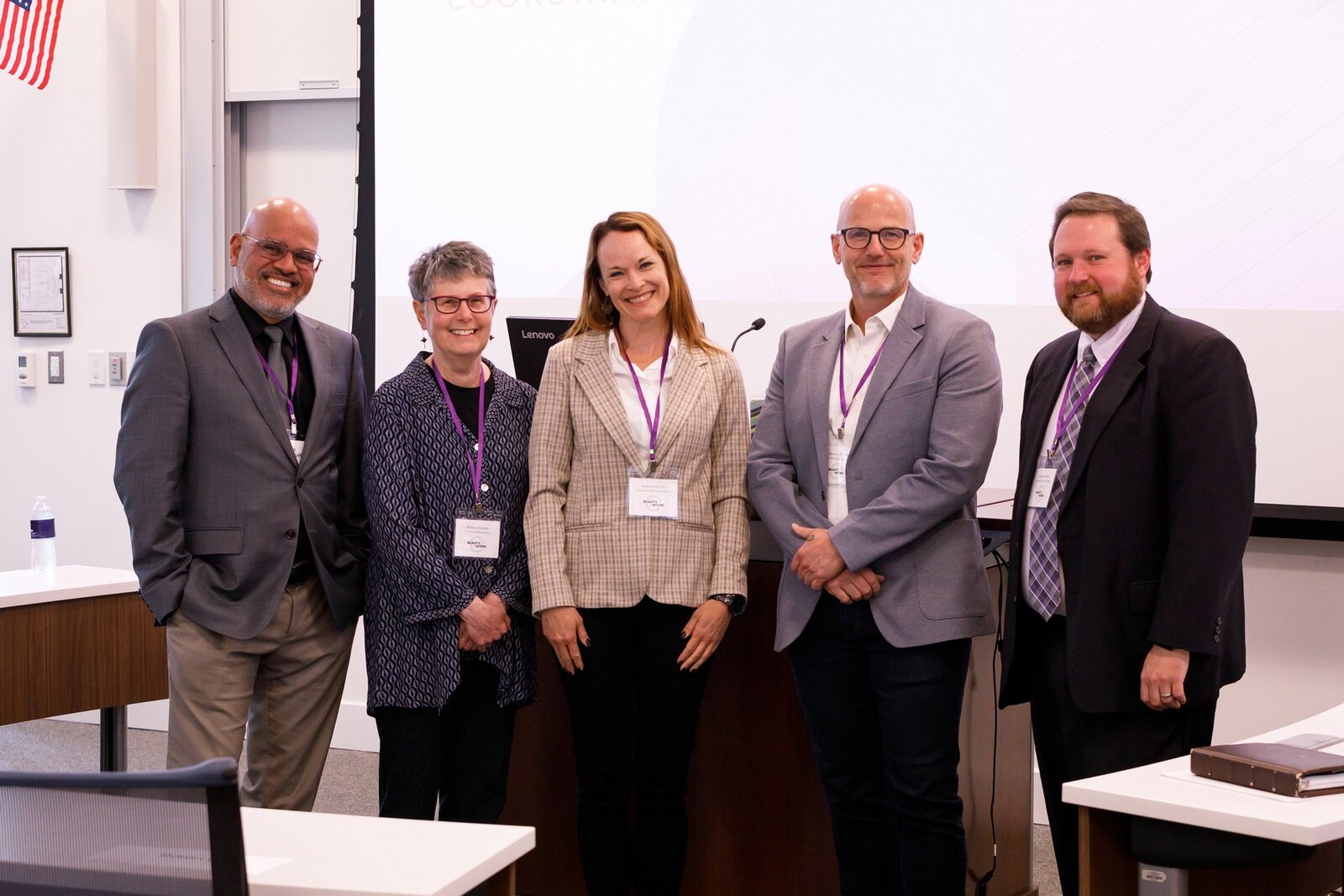
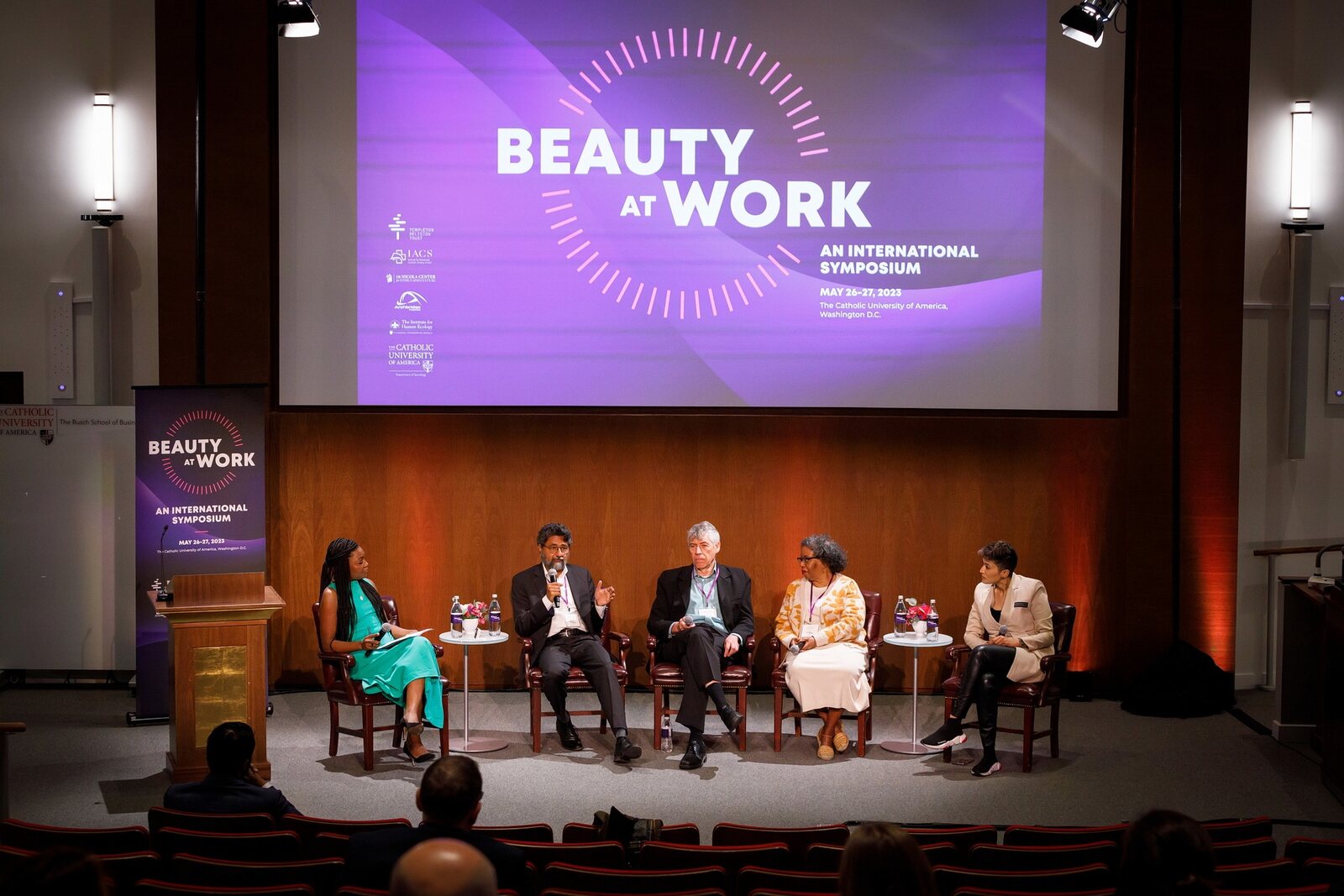
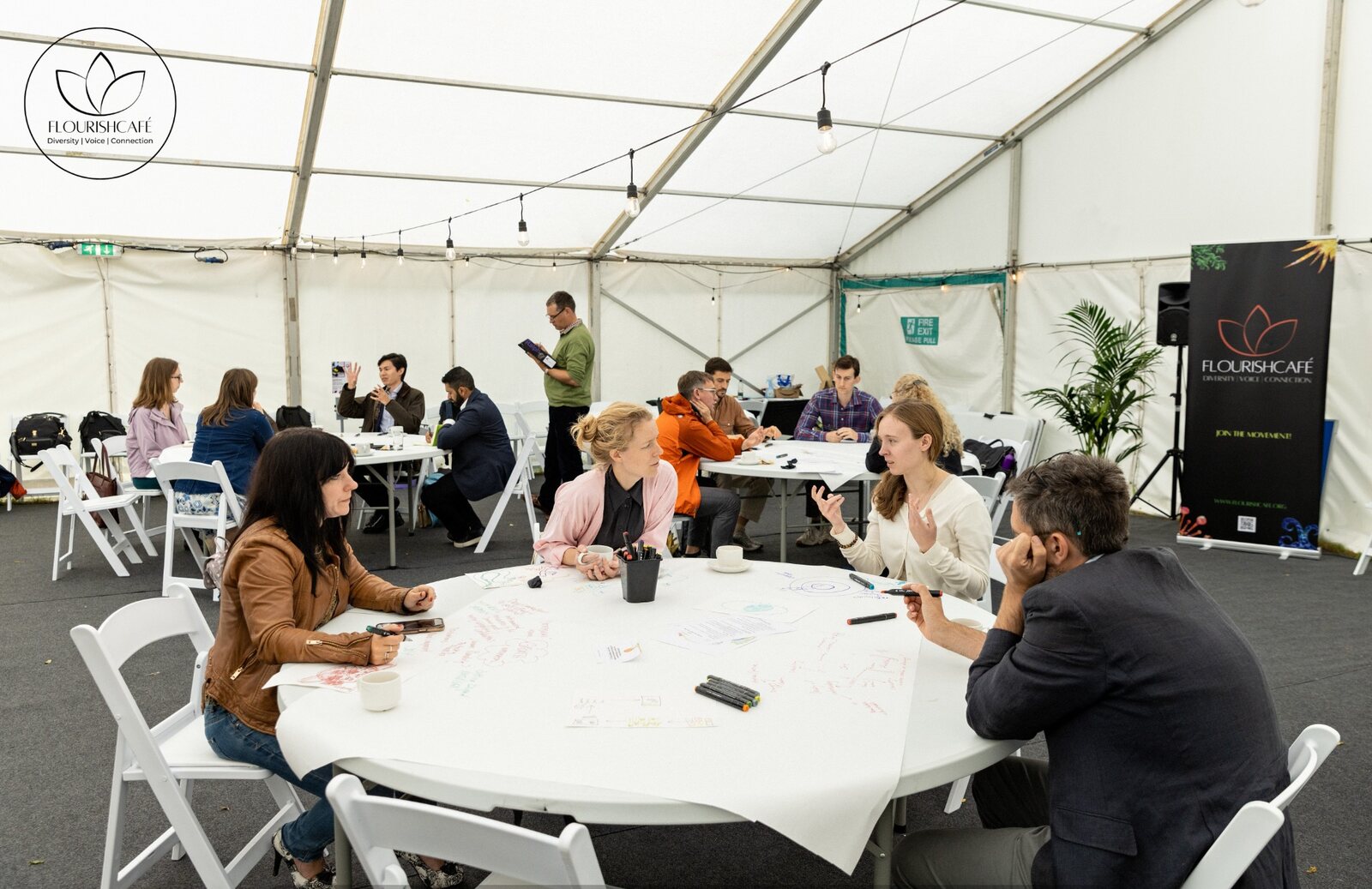
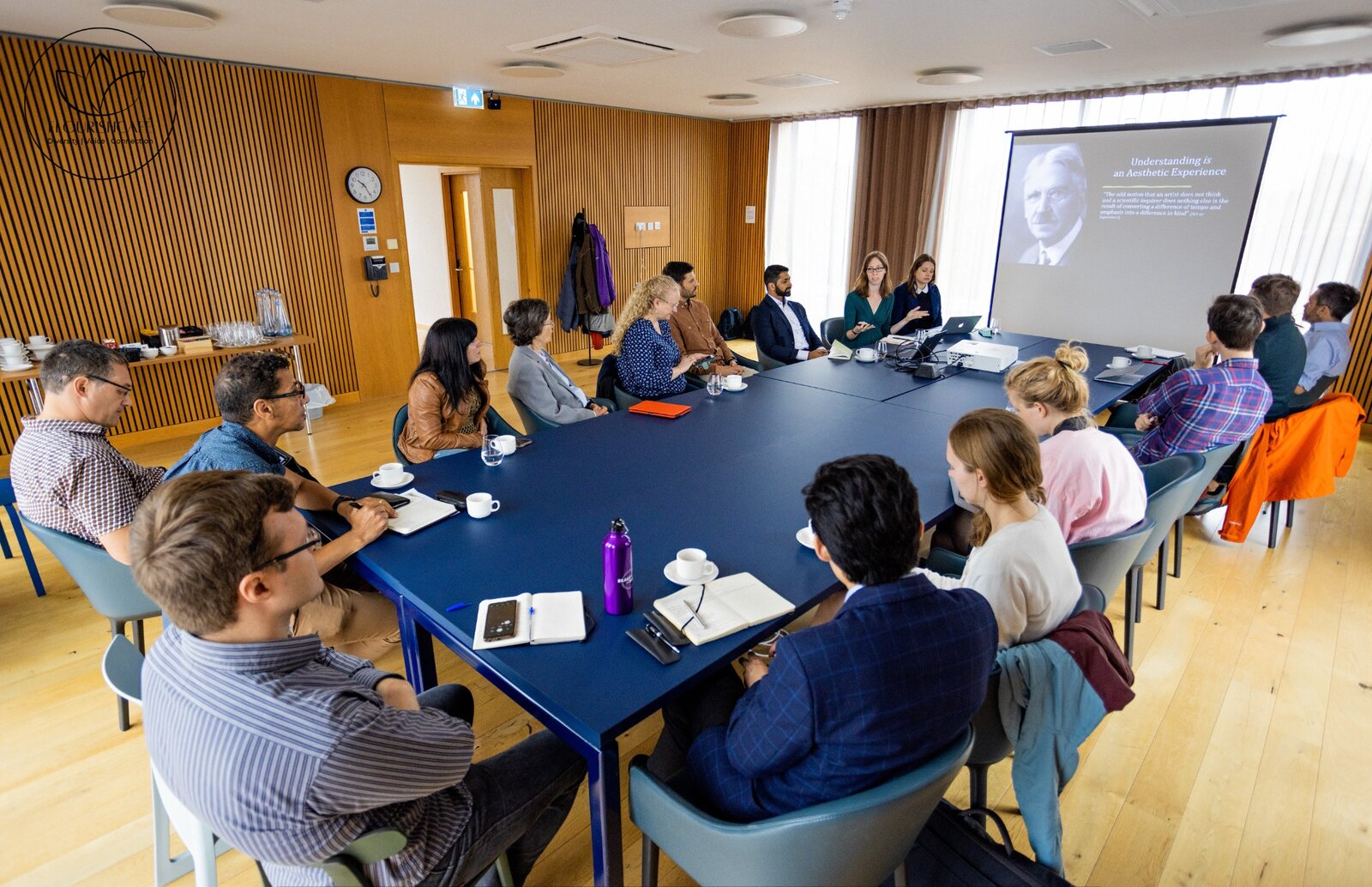
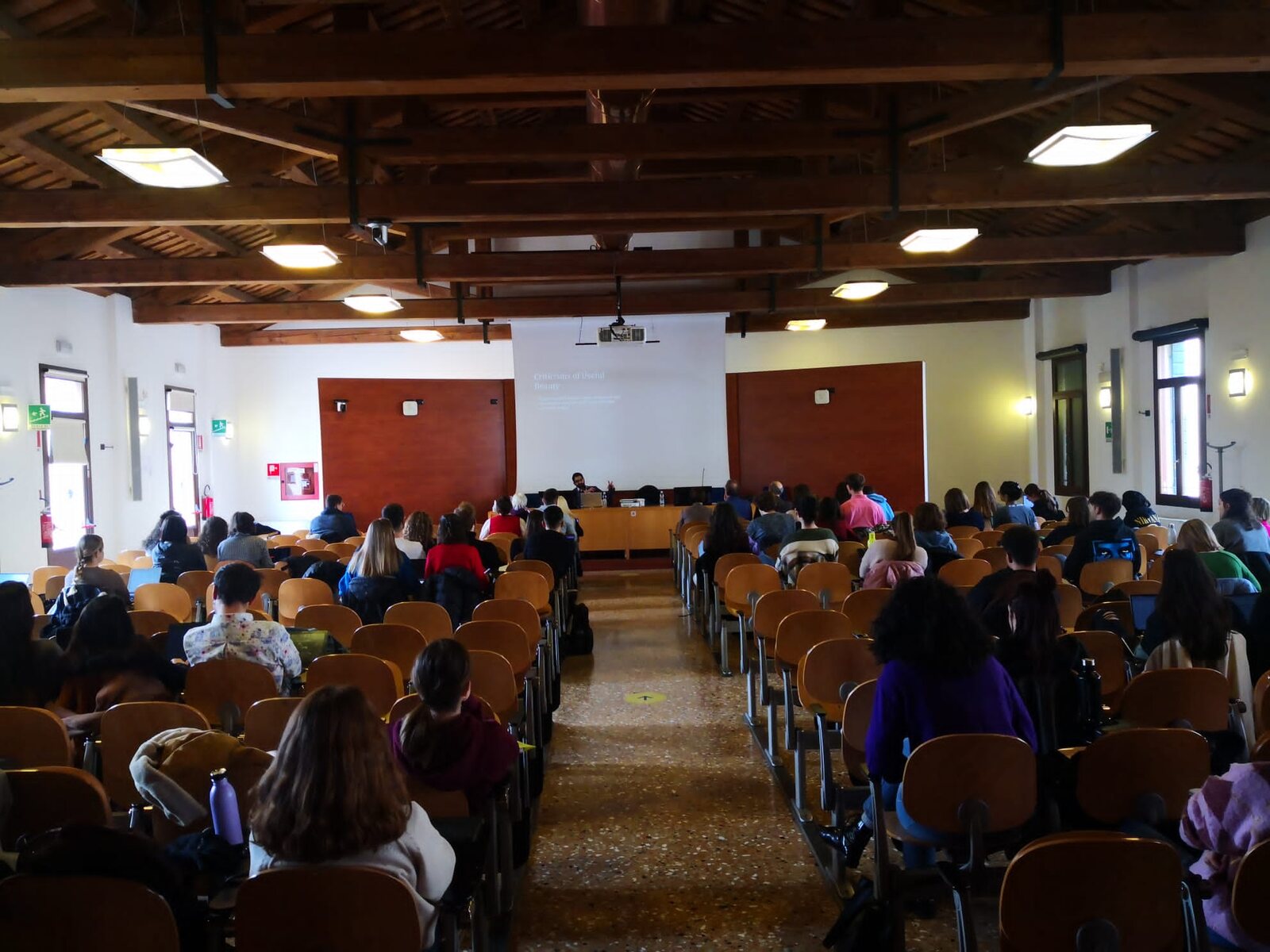
Scenes from project gatherings, conversations, and symposia.



Follow the Work and Well-Being in Science project for new research, publications, and project news.
New publications and project updates, sent occasionally.